Are You Thriving or Just Surviving?

Let’s talk about thriving. Not just surviving, not just getting by, but truly thriving. What does that word mean to you? For some, it might conjure images of vigorous independence and freedom, of doing things your way, of joy and productivity, of never needing help.
To me, thriving means living with a sense of well-being, fulfillment, and purpose. It means waking up with something to look forward to. It means feeling safe in your home and connected to the people who matter to you. It means engaging in activities that bring you joy, even if what those activities look like has changed over time.
If you’re reading this, you’re likely thinking about your next chapter—how you want to age, where you want to live, what you want your days to look like. Maybe you’re feeling uncertain about the future, or perhaps you’re already noticing changes in your abilities and wondering what comes next. Here’s what I want you to know: change has been happening your whole life, and you’ve navigated it beautifully before. This next chapter is no different.
Change Isn’t Decline—It’s Just Change
Think back to your younger years. When you were in school, your purpose was to learn, make friends, and work hard toward your future. When you became a parent, your purpose shifted—your kids became your world. Your days revolved around their needs, their schedules, their milestones. Then, perhaps, your career took center stage. You poured your energy into building something, contributing to your field, making a difference.
Then came retirement. Suddenly, those structures that defined your days were gone. Maybe your kids moved away, started their own families. Maybe you became a grandparent—a different, equally meaningful role, but a change nonetheless. Your purpose evolved. Your identity shifted. Your daily routines transformed.
And here’s the truth: you didn’t view those earlier changes as decline, did you? Becoming a parent wasn’t a loss of your student self, it was growth. Retiring wasn’t the end of your value, it was a transition into a new season. So why should we think of this next chapter any differently?
Yes, your body might not move the way it used to. Yes, you might need more help than before. Yes, some activities might take longer or require adaptation.
Needing help doesn’t mean you’re failing. It means you’re being human.
The key to aging well isn’t maintaining full independence at all costs. It’s about being proactive, not reactive. It’s about making choices that support your ability to keep doing what you love, even if how that looks changes along the way.
The 3 Pillars of Thriving
Through my years as an occupational therapist and aging-in-place specialist, I’ve seen countless individuals navigate this stage of life. The ones who thrive—who maintain their quality of life and sense of fulfillment—tend to have three foundational elements in place. I call these the 3 Pillars of Thriving: Safety, Connection, and Purpose & Engagement.
Pillar 1: Safety
Safety is the foundation—without it, everything else crumbles. But safety doesn’t mean bubble-wrapping your life or giving up activities you love out of fear. It means being honest about your current abilities and making smart, proactive modifications so you can continue living fully.
Think about it this way: when you were raising young children, you didn’t stop living your life, you made adjustments. You put outlet covers on electrical sockets, installed baby gates, moved cleaning supplies to higher shelves. You adapted your environment to meet your family’s needs. This is no different.
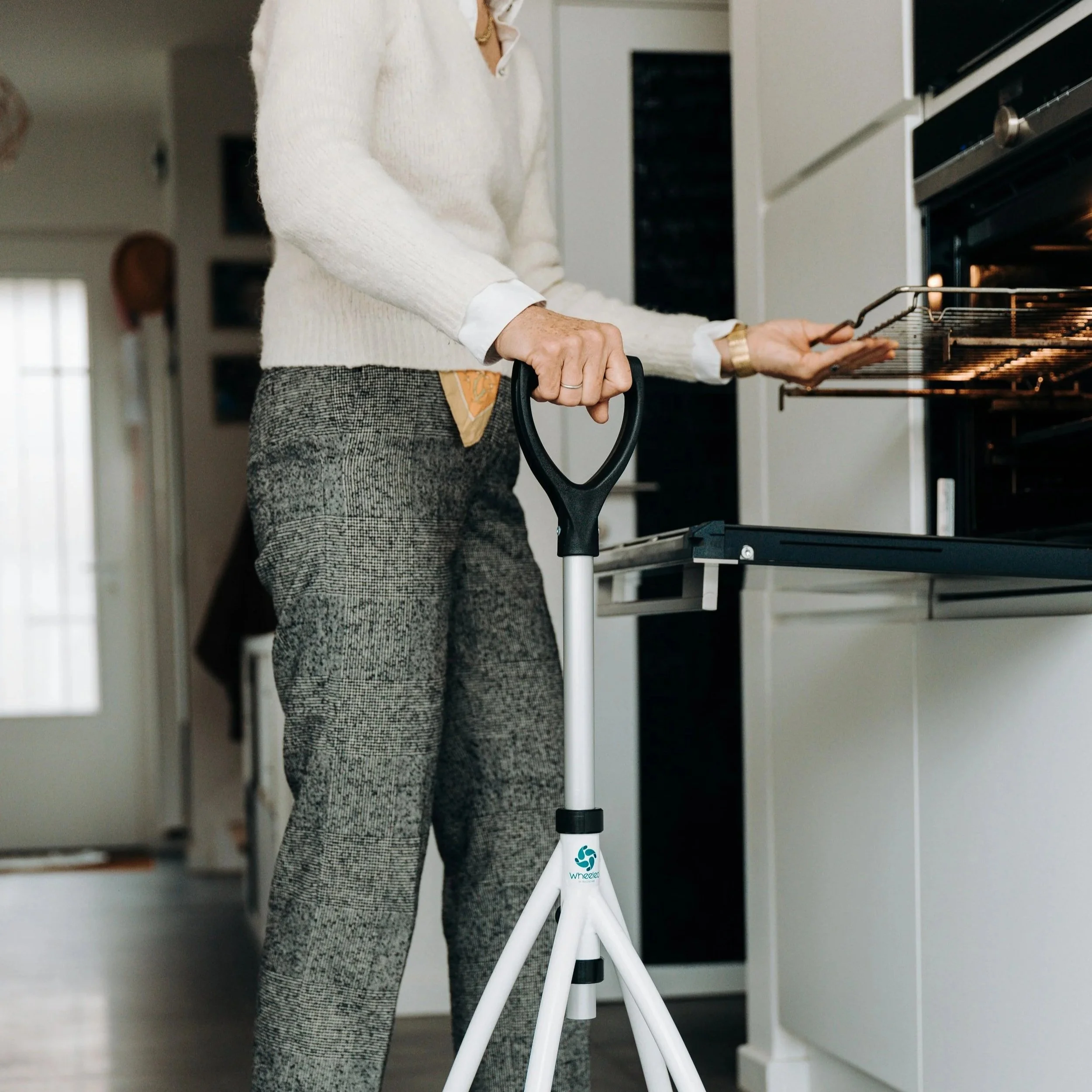
Safety in your home might look like:
Installing grab bars in the bathroom before you need them, not after a fall
Improving lighting in hallways and stairways
Removing throw rugs that could cause tripping
Rearranging your kitchen so frequently used items are within easy reach
Using a walker or cane when your balance isn’t what it used to be
Setting up a medication management system to avoid missed doses or dangerous combinations
Here’s the critical shift in mindset: these aren’t signs of weakness. They’re acts of wisdom. They’re you taking control of your future and saying, “I want to stay in my home. I want to keep doing the things I love. So I’m going to make the changes necessary to make that happen.”
Being reactive means waiting until something bad happens (a fall, a medication error, a close call) and then scrambling to respond. Being proactive means looking ahead, recognizing potential risks, and addressing them before they become problems.
When we are proactive we have lots of options and potential paths to take. When we are reactive, there is often only one or two paths to choose from, or worse, our path forward is chosen for us.
Reflection questions for you:
Do I feel safe moving around my home, especially at night?
Are there areas of my home where I’ve had close calls or felt unsteady?
Am I able to manage my medications safely without confusion?
Do I avoid certain activities because I’m worried about safety? Is there a way to adapt these activities instead of giving them up entirely?
Pillar 2: Connection
Humans are wired for connection. We need other people. We need to feel seen, heard, and valued. Yet as we age, maintaining those connections can become harder. Friends move away or pass on. Adult children have busy lives. Physical limitations might make it harder to get out and socialize.
But here’s what research tells us again and again: strong social connections are one of the most powerful predictors of health, happiness, and longevity. People who maintain meaningful relationships tend to live longer, have better mental health, and experience a higher quality of life.
Connection doesn’t have to mean large social gatherings if that’s not your style. It means having people in your life who you can talk to, laugh with, and rely on. It means not isolating yourself, even when it feels easier to stay home.
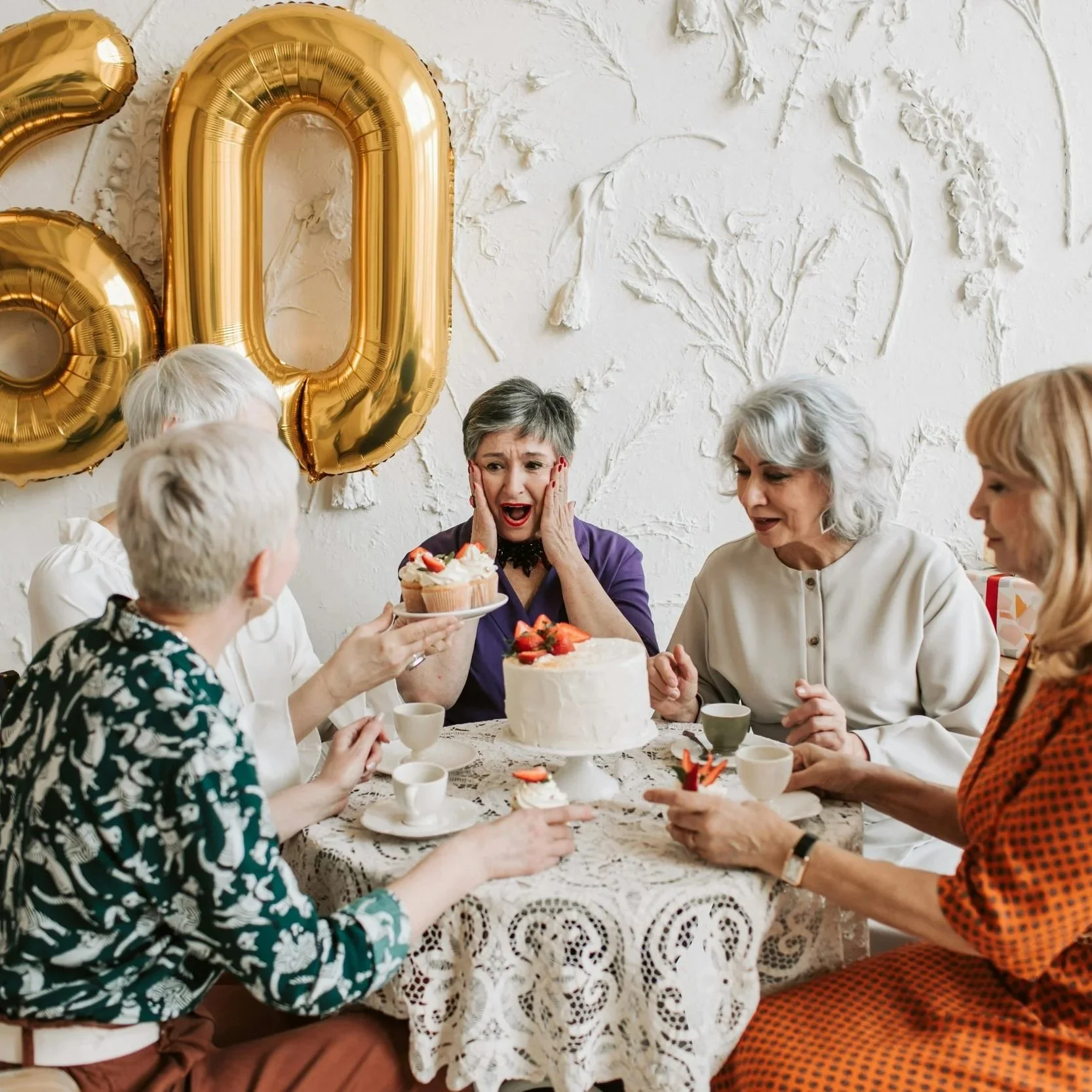
Connection might look like:
Regular phone or video calls with family and friends
Joining a community group, book club, or faith community
Volunteering for a cause you care about
Attending exercise classes specifically designed for active aging adults
Scheduling regular outings with a neighbor or old friend
Using technology to stay connected—learning to text, use video calls, or engage with social media in ways that feel comfortable
And yes, sometimes maintaining connection means asking for help. It means telling your adult children, “I’d love to figure out how to see you or chat with you more often,” or reaching out to an old friend even if it’s been a while. It might mean hiring someone to drive you to social events, or accepting that ride offer from a neighbor.
Remember: your relationships have evolved throughout your life. When your kids were little, connection looked like bedtime stories and soccer games. Now it might look like video calls with grandchildren or coffee dates with adult children. Different, but no less meaningful.
Reflection questions for you:
Do I have people in my life I can talk to when I’m having a hard day?
When was the last time I had a meaningful conversation with someone outside my immediate household?
Have I been isolating myself, and if so, what’s one small step I could take to reconnect
Are transportation or mobility challenges keeping me from seeing people I care about? What solutions exist to address those barriers?
Pillar 3: Purpose & Engagement
This is the pillar that breathes life into your days. It’s about having something to wake up for, something that makes you feel like you—not just someone’s parent or grandparent or former employee, but you, with your own interests, passions, and contributions to make.
Throughout your life, your sense of purpose has shifted. When you were working, maybe your career gave you purpose. When you were raising kids, they were your purpose. But now? Now your purpose is whatever you decide it is.
And here’s where being proactive really matters. If you’re unhappy with how you’re spending your days, something needs to change. Maybe you used to love gardening, but arthritis makes it painful now. Okay—what would need to change for you to keep gardening? Raised beds? Ergonomic tools? Help with the heavy lifting? The goal isn’t to give up what you love. The goal is to adapt so you can keep doing it.
Maybe you used to play golf but can’t walk the course anymore. Can you use a cart? Or swinging a golf club is too hard on your back. Can you play mini golf or go to the putting green? Or maybe try a golf simulator and do a modified swing?
Maybe you loved traveling but worry about managing in unfamiliar places. Can you travel with companions? Choose destinations with better accessibility? Plan more carefully?
Your ability to thrive matters more than what your activities look like to anyone else.
Using a walker doesn’t diminish the joy of a morning walk. Taking longer to complete a hobby project doesn’t make it less worthwhile. Adapting your favorite activities to match your current abilities isn’t giving up, it’s choosing to keep living.

Purpose and engagement might look like:
Pursuing hobbies that bring you joy, even if they’ve evolved
Volunteering in your community
Mentoring younger people in your field or area of expertise
Learning something new—a language, a skill, an instrument
Staying involved with causes you care about
Maintaining your home and making it a space you love
Being present and engaged with family—not just physically there, but truly involved
The key is that you’re doing things that matter to you. Not what society says you should be doing, not what your kids think is appropriate for someone your age, but what makes you feel alive.
Reflection questions for you:
What activities or pursuits bring me the most joy right now?
Are there things I used to love that I’ve given up? Could I adapt them rather than abandon them entirely?
Do I have something to look forward to each day, or do my days feel repetitive and empty?
What would I do if I knew I couldn’t fail? What’s stopping me from trying it in some form?
Bringing It All Together: Your Next Chapter Starts Now!
Here’s what I want you to take away from this: aging isn’t about slow decline. It’s about change—change that you’ve been navigating your entire life. The question isn’t whether change will happen; it’s how you’ll respond to it.
Will you be reactive, waiting until something goes wrong before making changes? Or will you be proactive, looking ahead and making adjustments that allow you to keep living the life you want?
If you’re unhappy with your current situation—if you’re feeling unsafe, isolated, or purposeless—then some sort of change is likely in order. And that’s okay. More than okay, it’s healthy. It means you’re paying attention to your needs and willing to do something about it.
Maybe that change is physical—adding grab bars, rearranging your home, using assistive devices. Maybe it’s social—reaching out to reconnect with old friends, joining a new group, asking for more visits from family. Maybe it’s about how you spend your time—picking up a new hobby, volunteering, or adapting an old passion to your current abilities.
Whatever changes you need to make, remember this:
Your ability to thrive and achieve a high quality of life matters far more than what it looks like to use a walker, or to be slower, or to need help, or to change your hobbies to better match your body and brain’s abilities.
The key to thriving and aging well is not full independence and never asking for help. It’s doing what you love, no matter if how that looks changes. It’s maintaining safety so you can stay in your home. It’s nurturing connections so you don’t face this journey alone. It’s engaging in activities that give your days meaning and purpose.
So as you reflect on these three pillars, I encourage you to be honest with yourself. Where are you strong? Where do you need support? What changes, if any, would help you thrive rather than just survive?
Your next chapter is waiting. And with intention, support, and a willingness to adapt, it can be as rich and fulfilling as any that came before.
Happy Thriving!
Dr. Lyndi
---
If you’re ready to take a proactive approach to aging in place and would like support navigating these decisions, I’d be honored to help. Contact us to learn more about how we support aging adults and their families.
